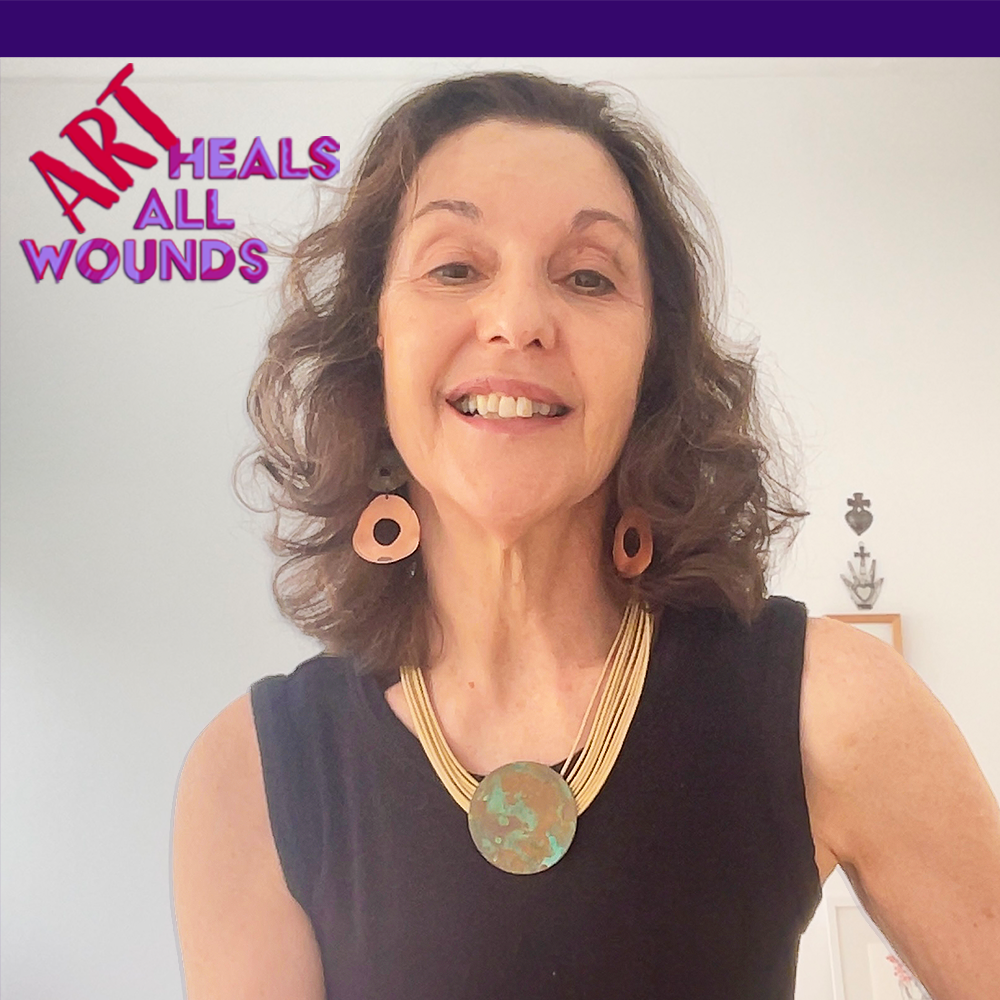
Violence, Memory, and Community Murals: Artist Claudia Bernardi on Art Against Brutality
Painting the Unspeakable: Art, War, and Remembering with Claudia Bernardi
I sit down with artist Claudia Bernardi to talk about her new book, Art Against Brutality: Community and Collaborative Art Projects with Survivors of Political Violence. Claudia lived through the military dictatorship in Argentina. In 1992, she was asked to work as a cartographer with the Argentine Forensic Anthropology Team on the exhumation of the site of the El Mozoté massacre in El Salvador — an experience that led her to found Walls of Hope, a community mural project working alongside survivors of war, sexual violence, and displacement. We talk about memory, testimony, and what happens when survivors of unspeakable violence pick up a paintbrush for the first time. This is a conversation about murals, human rights, collective memory, and the people who refuse to let their stories disappear.
Episode Highlights (Timestamps)
00:54 — Introducing Claudia Bernardi and her background as an installation artist, painter, and printmaker
01:02 — The military dictatorship in Argentina and the 30,000 desaparecidos
01:25 — How the Argentine Forensic Anthropology Team began searching for the disappeared
05:23 — What Art Against Brutality is and where the murals were created
06:07 — Who was Rufina Amaya Marquez, the sole survivor of the El Mozoté massacre
09:28 — Claudia's role as cartographer during the El Mozoté exhumation
11:54 — The moment the idea for working with art and children took shape at the exhumation site
19:11 — Founding Walls of Hope and building the "Perquin model"
27:34 — What it means to remember, and what survivors choose to put on the wall
29:38 — The women of Huehuetenango and painting a mural about surviving sexual violence
35:55 — Returning to Argentina to paint a mural at ESMA, the country's largest former detention and extermination center
44:23 — Painting murals with incarcerated, unaccompanied migrant youth in the U.S. criminal justice system
53:02 — A devastating conversation with one young participant about disappearance and being forgotten
1:02:11 — Where to find the book and learn more about Walls of Hope
Where to order the book Art Against Brutality
Learn more about Walls of Hope
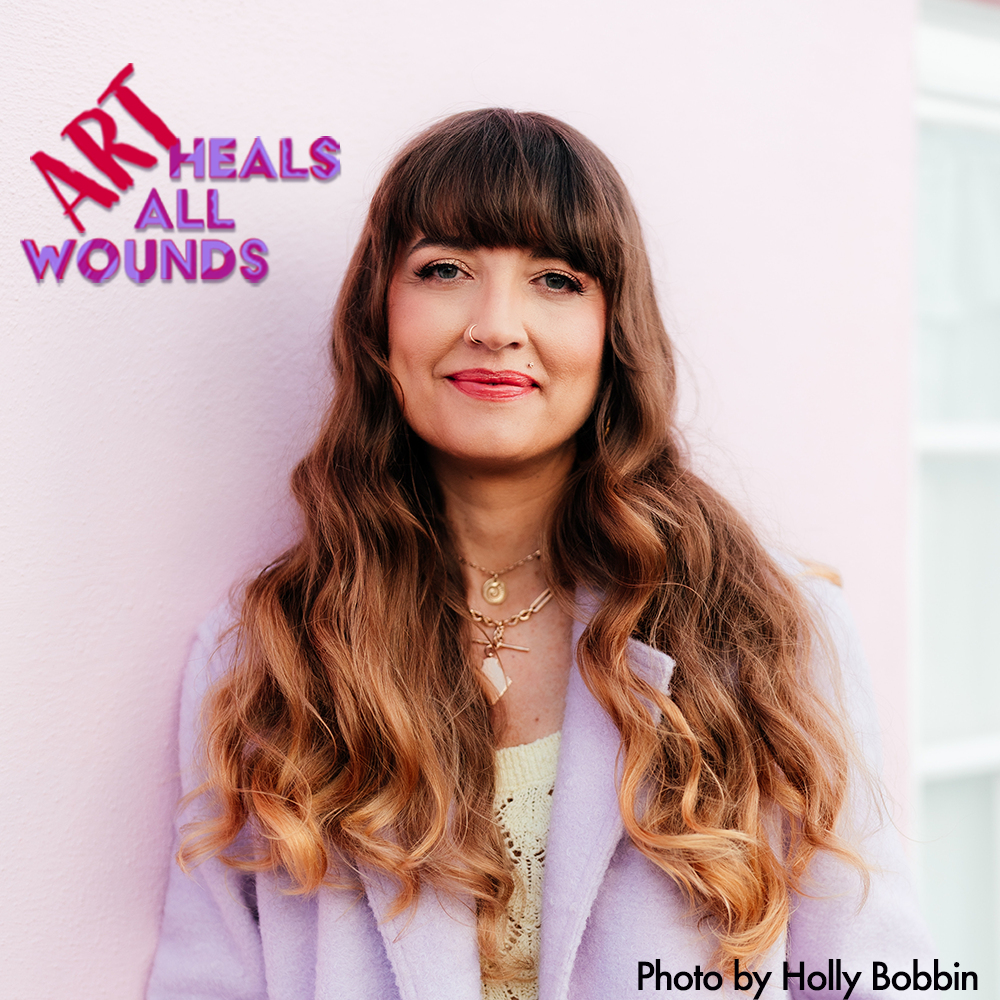
From Fear to Fiction: Holly Ringland on Writing, Healing, and Creative Expression
Holly Ringland on Overcoming Creative Fear and Finding Joy as a Writer
In this episode, I sit down with Holly Ringland — bestselling author of The Lost Flowers of Alice Hart and The Seven Skins of Esther Wilding — to talk about her first work of nonfiction, The House That Joy Built. If you've ever struggled with creative block, self-doubt, or the fear that you're just not good enough to create, this conversation is for you.
Holly spent 20 years disconnected from her writing — not because the desire wasn't there, but because fear silenced her. In The House That Joy Built, she shares her deeply personal toolkit for overcoming the inner critic, reconnecting with your creative self, and finding joy in the creative process — even when life has been hard.
We talk about how grief and rage can become unexpected catalysts for creativity, why joy isn't the opposite of pain but can live alongside it, and how returning to your imagination is like coming home to yourself after a long journey.
Whether you're a writer, an artist, or anyone who has ever felt cut off from a creative outlet you once loved, Holly's story and insights will resonate deeply.
Timestamped Highlights
[00:47] — What if you could write about difficult, challenging emotions while still embracing joy? I introduce Holly and the big question at the heart of her work.
[02:35] — Holly shares the origin story of The House That Joy Built — how her publisher Catherine Milne sparked the idea over champagne by the sea, and how Holly said yes to writing it in just three months.
[09:21] — I tell Holly that The Lost Flowers of Alice Hart has the best opening hook I've ever read — and she shares the remarkable story of how that first line came to her in a moment of grief and rage.
[19:25] — Holly talks about what it means to become disconnected from your creativity, and why severing yourself from the thing you love most can be a form of self-protection — and self-harm at the same time.
[23:07] — Why The House That Joy Built isn't just for writers — it's for anyone who has ever loved a creative outlet and lost touch with it, and what it means to find your way back.
[26:46] — Holly shares a Richard Rohr quote that stopped me in my tracks: "Pain that is not transformed is transmitted" — and what that means for how we handle our own struggles creatively.
[29:54] — Holly tells the hilarious and deeply moving She-Ra story — and what a six-year-old girl with a plastic sword and a face mask taught her about facing fear and vulnerability as a creative person.
[37:17] — The difference between outer landscape and inner landscape, and why the places we love hold our memories and emotions in ways that mirror our own inner world.
[44:21] — The desert oak seed pod: Holly explains why this extraordinary tree — which needs fire to crack open its seeds before they can grow — is one of her most powerful metaphors for the creative journey.
[50:45] — What is the house that joy builds? Holly explains the beautiful metaphor at the heart of the book — and why coming home to your creativity is like finding the porch light left on for you by a former version of yourself.
[01:01:07] — Where to find Holly online, including her Substack newsletter, and how she invites readers to send her their questions about creativity and vulnerability.
Links & Resources
The House That Joy Built by Holly Ringland
The Lost Flowers of Alice Hart, The Seven Skins of Esther Wilding, The World Beneath Her Feet by Holly Ringland
Holly Ringland on Substack: The Joy Rise
Holly Ringland on Instagram: @hollygoeslightly
Art Heals All Wounds Podcast: arthealsallwoundspodcast.com
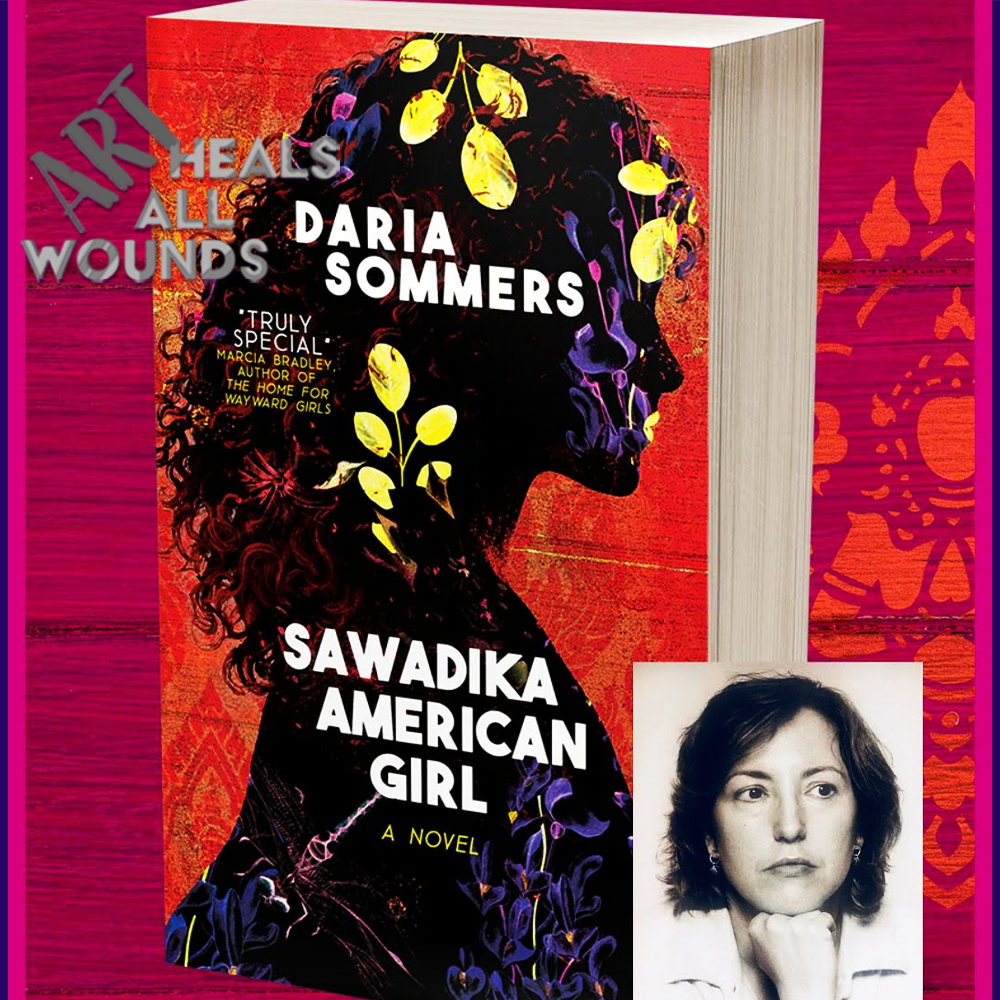
Coming of Age in the Shadow of Vietnam: A Hidden History Finally Told
What was it like to grow up American in 1968 Bangkok, living in the shadow of the Vietnam War? In this episode, I sit down with author Daria Sommers to discuss her debut historical fiction novel, Sawadika American Girl — a coming-of-age story set against one of history's most turbulent eras. Daria shares the little known story of the vast American expat community in Thailand during the Vietnam War, the experience of being a "third culture kid," and how storytelling and art can heal even the deepest historical wounds. A must-listen for fans of historical fiction, Vietnam War history, and the power of narrative to reclaim hidden stories.
[3:44] Introduction to Sawadika American Girl — historical fiction set in 1968 Bangkok
[4:36] The American expat community in Thailand during the Vietnam War
[5:48] Piper's backstory — loss, family tension, and dislocation
[8:59] The role of friendship and freedom in a coming-of-age story
[14:56] Music, healing, and the Thai prince who anchored it all
[17:45] First love during wartime — Jack's story and what they were up against
[21:34] Daria's own background as a third culture kid in Bangkok
[23:02] The burden of a childhood you couldn't talk about
[32:16] Returning home — finding your people after a third culture childhood
[39:06] From documentary filmmaker to veteran’s advocate — the making of Lioness
[44:36] Speaking at the Vietnam Veterans Memorial — when hidden stories finally matter
[50:17] Where to find Sawadika American Girl and follow Daria's work
Learn more about the show: arthealsallwoundspodcast.com
Follow me on Substack for updates
Music by Ketsa, Lobo Loco, and Barbara Higbie.

Suga' with Bundle of Sticks: Black Queer Identity, Gender Freedom, and
Healing Through Art
I'm so glad to welcome back Dazié Grego-Sykes and Derrick Miller-Handley of Bundle of Sticks Art Collective for a conversation about their upcoming performance ritual, Suga'. This art collective has spent over 25 years exploring the intersection of Blackness and queerness through performance art, visual art, and community building — and their newest work may be their most personal yet.
Suga' is an immersive performance ritual in which Derrick steps into the performer role for the first time in over 20 years, using art as a vehicle for gender identity exploration, radical self-acceptance, and spiritual healing. We talk about what it means to exist outside of society's containers, the power of Black ancestry as a spiritual resource, and why embracing your authentic self is an act of liberation.
If you're in the Bay Area, Suga' runs May 29–31 at Eastside Arts Alliance in Oakland. Find tickets by searching Suga' on Eventbrite.
Topics Covered:
[0:47] Introducing Bundle of Sticks Art Collective
[4:19] The intersection of Blackness, queerness, visual art, and performance
[6:00] Trust, safety, and creative collaboration
[10:13] What is Suga' — and why call it a ritual?
[13:47] The many meanings of the word "Suga'"
[16:53] "Suga' in your tank" — reclaiming a slur as a source of power
[22:03] The immersive space: artifacts, ancestry, and performance
[26:17] The tension — and natural harmony — between Blackness and queerness
[31:08] Gender identity, legibility, and refusing society's containers
[37:59] How Suga' came to be and why now
[54:44] Why this work matters in today's political and social climate
[59:32] Tickets and show details
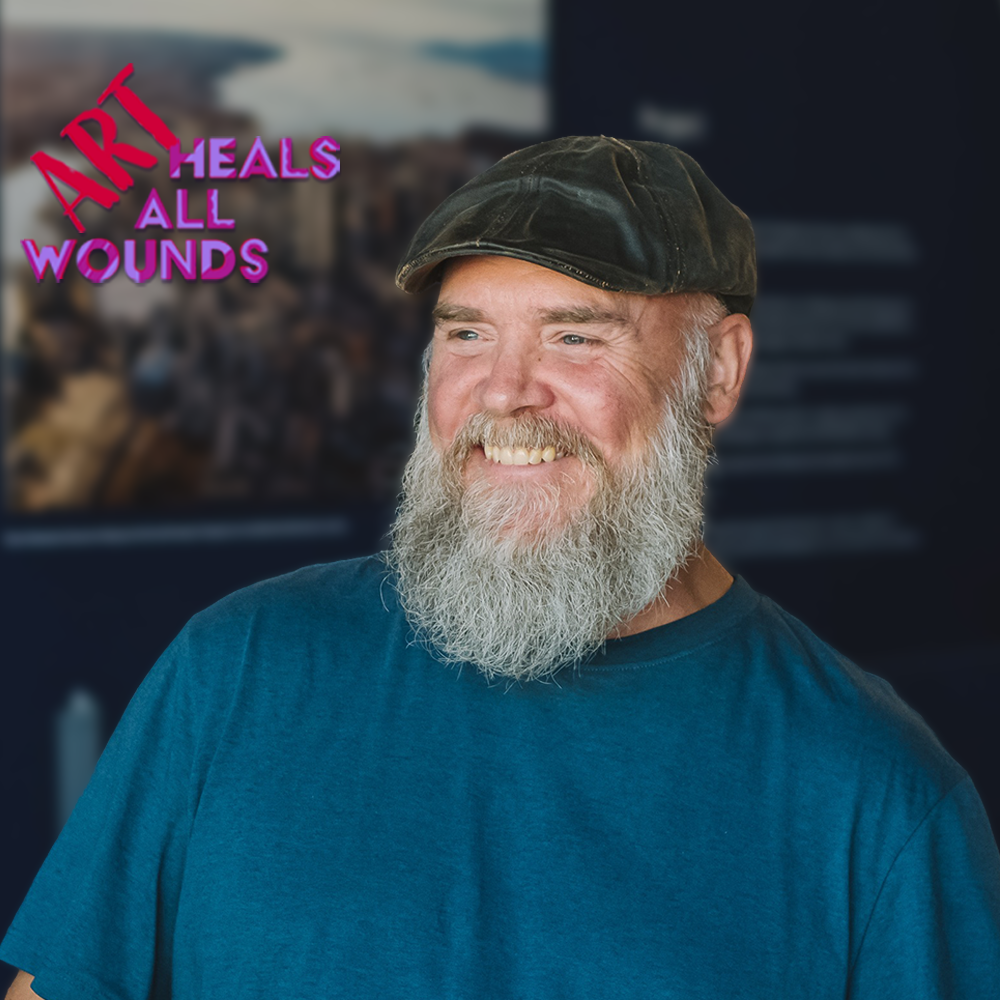
Do You Want to Die Not Knowing?
One Artist's Leap Into Art as Service and Healing
Have you ever had someone ask you a question that completely changed the direction of your life? In this episode, I talk with commission artist Shawn B. Standley, whose wife asked him exactly that kind of question — and it launched him into a new chapter as a full-time artist dedicated to healing and community service.
Shawn's journey is anything but a straight line — from aerospace engineering student to carpenter, Navy veteran, restaurant manager, and Alaskan wilderness dweller — before finally committing to his true calling: creating deeply personal commission art that captures people's stories, memories, and life transitions.
Now based in Conway, Arkansas, Shawn is partnering with wellness organizations, end-of-life doulas, and medical institutions to bring the healing power of art to people navigating major life changes. He also oversees the urban farming and community garden program at the Faulkner County Library — proof that art and service can take many forms.
In this episode we cover:
(1:42) How Shawn's father discouraged him from pursuing art as a career — and how he found his way back
(11:51) Dropping out of aerospace engineering school and the winding road that followed
(13:17) Moving to Whidbey Island and finding his first real artistic community and mentor
(16:03) Going to art school at Cornish College of the Arts in Seattle — and why he left
(18:11) How Alaska got under his skin and changed everything
(22:07) The question his wife Shell asked that became the turning point of his artistic life
(23:54) Discovering the profound emotional power of commission art and creating work that tells someone's personal story
(24:40) Why Conway, Arkansas — and what surprised him about building an art practice there
(28:45) Finding his why through the Artist Inc. fellowship and the Artists in Business mentorship program
(32:15) Partnering with end-of-life doulas, the University of Arkansas Medical Sciences wellness program, and the Arkansas Wellness Network
(37:55) His vision for combining art and healing as a full-time practice
Connect with Shawn: Website: shawnbstudios.com Social media: @shawnbstudios
Connect with me:arthealsallwoundspodcast.com | Substack
Music by Ketsa and Lobo Loco
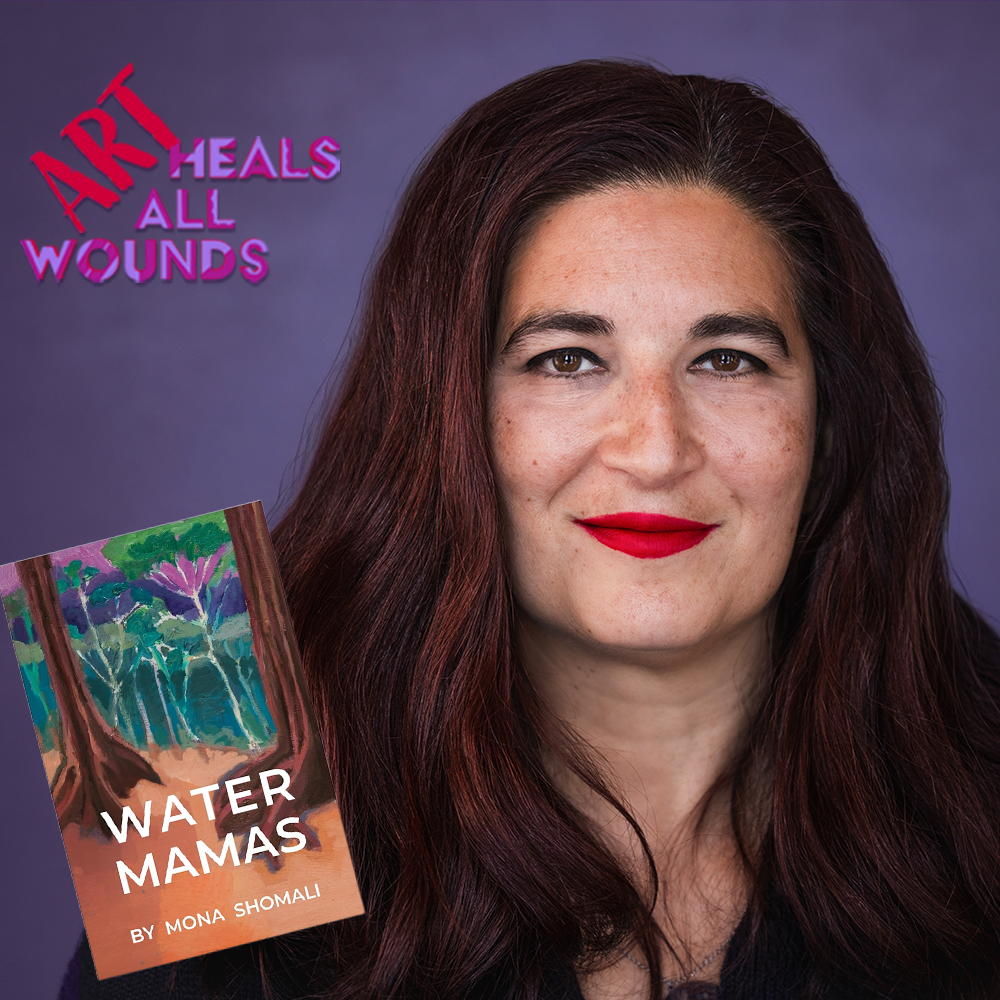
Climate Fiction That Challenges Everything: Mona Shomali on Water Mamas, Geoengineering, and Indigenous Consent
Water Mamas: Climate Fiction That Challenges Everything | Mona Shomali on Geoengineering, Indigenous Rights, and the Amazon
In this episode, I sit down with author and visual artist Mona Shomali to discuss her debut novel Water Mamas — a gripping work of climate fiction that explores the collision of indigenous human rights, environmental justice, and geoengineering in a near-future Amazon on the brink of collapse.
Mona's background is as rich as her storytelling. Before writing Water Mamas, she spent years as a college professor teaching Indigenous Human Rights and International Environmental Governance, worked as a case researcher on the landmark indigenous rights case Kichwa Indigenous People of Sarayaku vs. Ecuador, and served as an environmental policy analyst lobbying the UN on behalf of small island states facing extinction due to sea level rise. This is a conversation that goes deep.
Water Mamas doesn't give you easy answers — and that's exactly what makes it so powerful. If you care about climate change, indigenous sovereignty, and the ethics of technological intervention in our ecosystems, this episode is for you.
Timestamped Highlights:
(00:00) Introduction to Water Mamas and its themes of climate crisis and indigenous rights
(03:12) Mona's academic background — teaching Indigenous Human Rights and International Environmental Governance
(03:52) Her work on the landmark case Kichwa Indigenous People of Sarayaku vs. Ecuador and indigenous land rights
(08:06) The central conflict: cloud seeding, geoengineering, and indigenous consent in the Amazon
(10:16) Why geoengineering is more complicated than it seems — and who it's already helping
(13:18) Meet Afa, the protagonist: a UN representative torn between mission and conscience
(14:44) How Mona's work with small island states facing sea level rise shaped Afa's backstory
(18:32) The water mamas: indigenous spirituality, mythology, and a chilling dream sequence
(21:38) The real Macuxi mythology behind the water mamas — and why it matters
(24:33) Vishnu, the love interest: a character you'll keep changing your mind about
(28:42) Could there be a sequel to Water Mamas? Mona shares what she's thinking
(39:07) Where to find Water Mamas, Mona's Substack, and her environmental art collection Invisible Stains
Resources & Links:
📖 Water Mamas by Mona Shomali — available at independent bookstores and Amazon
🎨 Mona's artwork and environmental collection Invisible Stain: monashomali.com
✍️ Mona's Substack on international environmental issues and mythology: search Mona Shomali on Substack
🎙️ Learn more about the show: arthealsallwoundspodcast.com
Music in this episode by Ketsa and Lobo Loco.
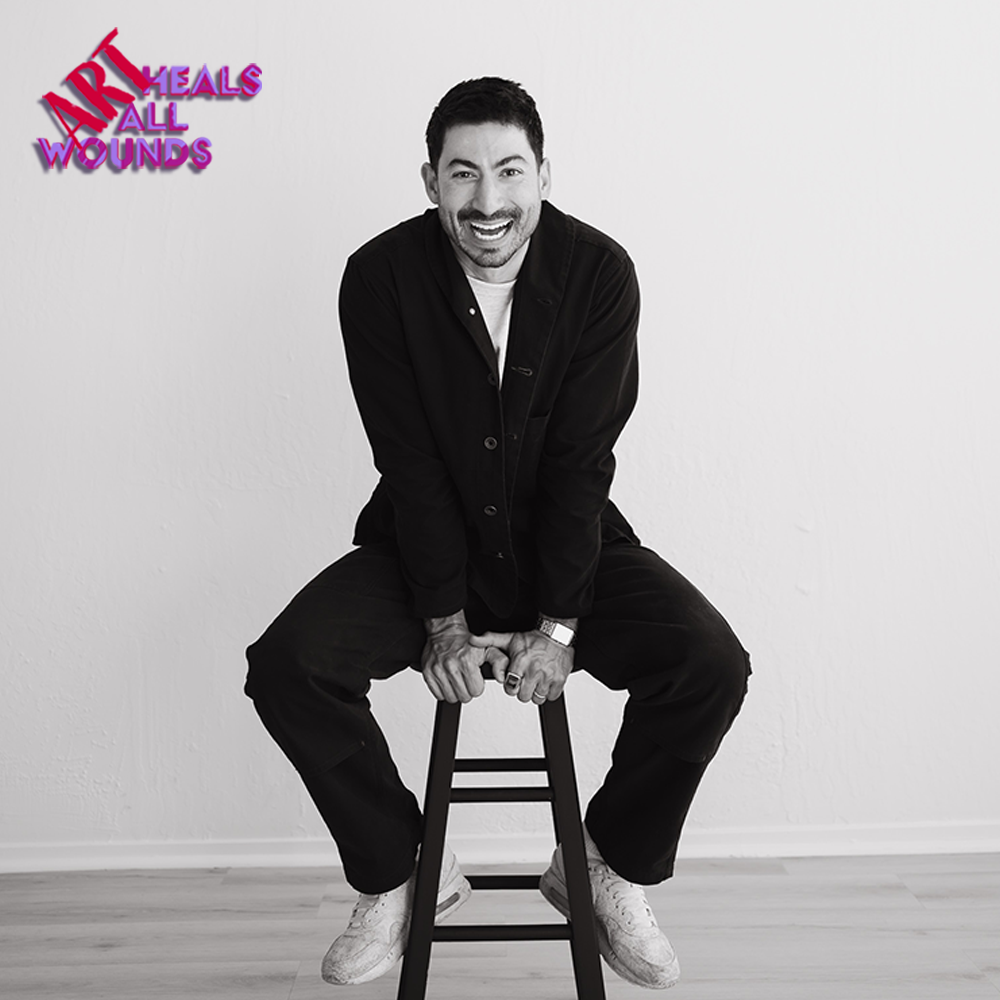
No More Side-Dish Art: Nikko Kimzin on Community-Led Placemaking
What happens when artists are brought in at the beginning of public space design — not as an afterthought, but as essential problem solvers? In this episode I sit down with Nikko Kimzin, founder of Kimzin Creative, an arts and equity consulting firm based in Petaluma, California. Nikko shares how his team uses the power of art to unlock community imagination, inform city planning, and build public spaces that truly reflect the people who use them. Plus, Nikko makes a passionate case for radical joy as a daily practice and a force for social change — and honestly, I left this conversation feeling more hopeful than I have in a long time.
Timestamped Highlights
0:47 — I share my thoughts on the lack of community-designed public spaces, including some honest reflections on my own neighborhood in Deep East Oakland
2:41 — I introduce my guest Nikko Kimzin and the work of Kimzin Creative
6:19 — Nikko explains his "why": uplifting the human spirit through art and community
11:07 — Nikko's origin story: from a Mexican-American household to musical theater and New York City
13:18 — The turning point: how Nikko shifted from performer to producer and educator, telling more complex stories for marginalized communities
18:40 — The Petaluma River Park project: a two-year community engagement process for a 35-acre park
24:34 — "I wish this could be…" — how a simple sticker activity unlocked community dreams
29:02 — Why a patch of grass is not a park: Nikko makes the case for raising the standard for public spaces
38:07 — Radical joy as a daily practice and a tool for social change — this part of our conversation really stayed with me
47:13 — Nikko's passionate case for artists as problem solvers in policy, planning, and beyond
Guest Links
Website: nikkokimzin.com
Consulting: kimzincreative.com
Substack: Nikko Kimzin — Advice from a Nobody
Instagram & TikTok: @nikkokimzin
If you enjoyed this episode, please follow Art Heals All Wounds on your favorite podcast app and leave a five-star rating or review. You can get in touch with me at arthealsallwoundspodcast.com or find me on Substack.
Music by Ketsa and Lobo Loco.
Earth Day 2026: How Art and Activism Are Changing the World
In this timely episode of Art Heals All Wounds, I sit down with Evan Raskin, National Campaign Manager for Earthday.org, to explore the powerful relationship between art and environmental activism. Evan shares how artists have been central to the Earth Day movement since its very first gathering in 1970 — the largest protest mobilization in American history — and how creative expression continues to drive climate action today.
Evan also opens up about his own life as a musician, painter, and poet, and how art helps him find harmony in a world full of dissonance. We discuss this year's Earth Day theme, Our Power, Our Planet, and why collective action — starting at the local level — matters more than ever.
Whether you're an artist, an activist, or simply someone who cares about the future of our planet, I think this episode will inspire you to lean into your own power.
🔗 Find Earth Day events in your community: earthday.org 🎵 Find Evan's music on Spotify: search Raskin 🌍 Learn more about the Global Halt street art project: search #EarthDay2020Halt
Timestamped Highlights
[00:00] I introduce the episode and its Earth Day theme
[01:03] Why I'm dropping this episode now: Earth Day is right around the corner
[01:34] I introduce my guest, Evan Raskin, National Campaign Manager for Earthday.org
[02:03] We introduce this year's Earth Day theme: Our Power, Our Planet
[03:22] I ask Evan what a National Campaign Manager actually does — he breaks down his role
[05:03] I learn that Evan is also a musician, painter, and poet — and just published his first book!
[05:43] I ask Evan which art form he turns to when he needs release — his answer about music and rhythm is beautiful
[07:29] Evan explains how art can open perspectives, build empathy, and call people to civic action
[10:54] I ask Evan about his origin story: growing up with a Hollywood hairdresser mom and a Cirque du Soleil / hospital clown dad
[13:13] Evan tells me how a required college art class unlocked his visual creativity
[14:08] Evan makes the case that everyone has latent creative potential — and why you should just pick up that paintbrush
[15:15] I share my recent conversation with scientist Daisy Fancourt and her book Art Cure — even 10–15 minutes of creativity a day has measurable benefits
[16:27] I ask Evan how he came to work at Earth Day — it started with a college internship phasing out single-use plastics at the British Embassy
[17:49] Evan walks me through the history of Earth Day and how the 1970 movement used art, music, and protest to spark real policy change
[22:23] I'm amazed to learn that the Clean Air Act, the Clean Water Act, and the EPA were all born from Earth Day 1970
[22:48] We do a deep dive into this year's theme: Our Power, Our Planet and what it means at every level
[25:51] I bring up the current political climate — Evan responds with hope, local action, and the wisdom of Fred Rogers: "Look for the helpers"
[29:37] Evan shares an encouraging stat: solar power has been the leading source of new U.S. electricity for nearly 25 months
[32:51] Evan tells me about his visit to COP 27 in Egypt, where global artists displayed installations made from pollution collected in their home countries
[33:20] Evan introduces me to Earthday.org's Artists for the Earth program and the annual official Earth Day poster
[33:52] The Global Halt Project: I love this — 500 artists across the world painted climate murals under cover of darkness, unveiled on Earth Day 2020
[35:47] Evan shares how YOU can get involved: visit earthday.org, find local events, organize a community cleanup, and start conversations in your school, faith community, or family
[38:10] I ask Evan where we can find his music and art
Follow Pam!
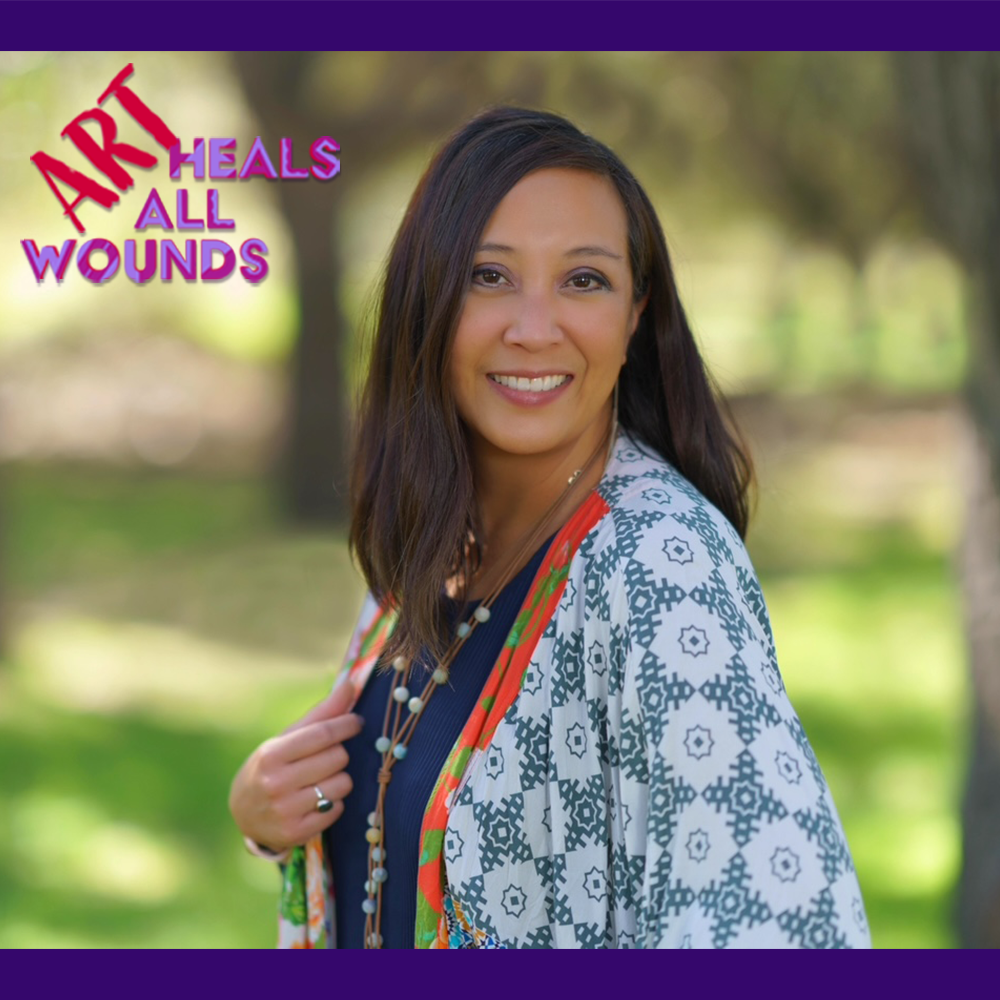
It's Never Too Late: Reclaiming Your Creative Identity with Clarissa Castillo-Ramsey
In this episode, I sit down with Clarissa Castillo-Ramsey, abstract painter, life coach, and host of the Painting Your Path podcast — for a rich conversation about how she reclaimed her own creative identity and how she coaches her clients, usually women in midlife, to do the same. We talk about overcoming self-doubt, and building resilience in the face of unexpected challenges.
Clarissa shares her winding journey from retail management to graphic design to finding her true calling as an artist and coach, and how a diagnosis of spasmodic dysphonia — a rare neurological voice disorder — forced her to reimagine her work and reconnect with her deepest purpose.
We also discuss:
How well-meaning discouragement in childhood can silence our creative instincts for decades
Practical strategies for processing rejection as a creative person
Why "giving yourself grace" is the foundation of any creative practice
Clarissa's work supporting the Altadena community in the aftermath of the devastating 2025 Eaton Fire through art
Whether you're an artist, a creative in midlife, or someone rebuilding after loss, this episode with Clarissa offers genuine wisdom and encouragement.
00:00:12 — Introduction to the show and host Pam Uzzell
00:01:10 — Podcast updates: new schedule and hiatus explanation
00:01:53 — Introduction of guest Clarissa Castillo Ramsey and her background
00:02:37 — Clarissa's diagnosis with spasmodic dysphonia
00:03:08 — Clarissa's resilience and involvement with the Altadena community after the Eaton Fire
00:04:03 — Interview begins; Clarissa introduces herself
00:05:57 — Clarissa's life coaching work with women in midlife
00:07:13 — Growing up and receiving discouraging messages about pursuing a creative career
00:09:33 — The journey back to art: from retail management to graphic design to painting
00:11:40 — Discovering painter Rassouli at Agape International Spiritual Center
00:16:22 — Clarissa's spasmodic dysphonia diagnosis and how it affected her work
00:21:12 — Pam shares her own experience with myotonic dystrophy and voice challenges
00:24:56 — Theories on resilience and what keeps Clarissa going
00:27:55 — Dealing with rejection as a creative person; the TEDx talk rejection
00:36:16 — The Altadena community after the Eaton Fire and the healing power of art
00:39:11 — Where to find Clarissa and her podcast, Painting Your Path
🎙️ Find Clarissa on Instagram: @clarissacastilloramsey.art 🎙️ Listen to her podcast: Painting Your Path. Clarissa's Website.
Follow Pam!
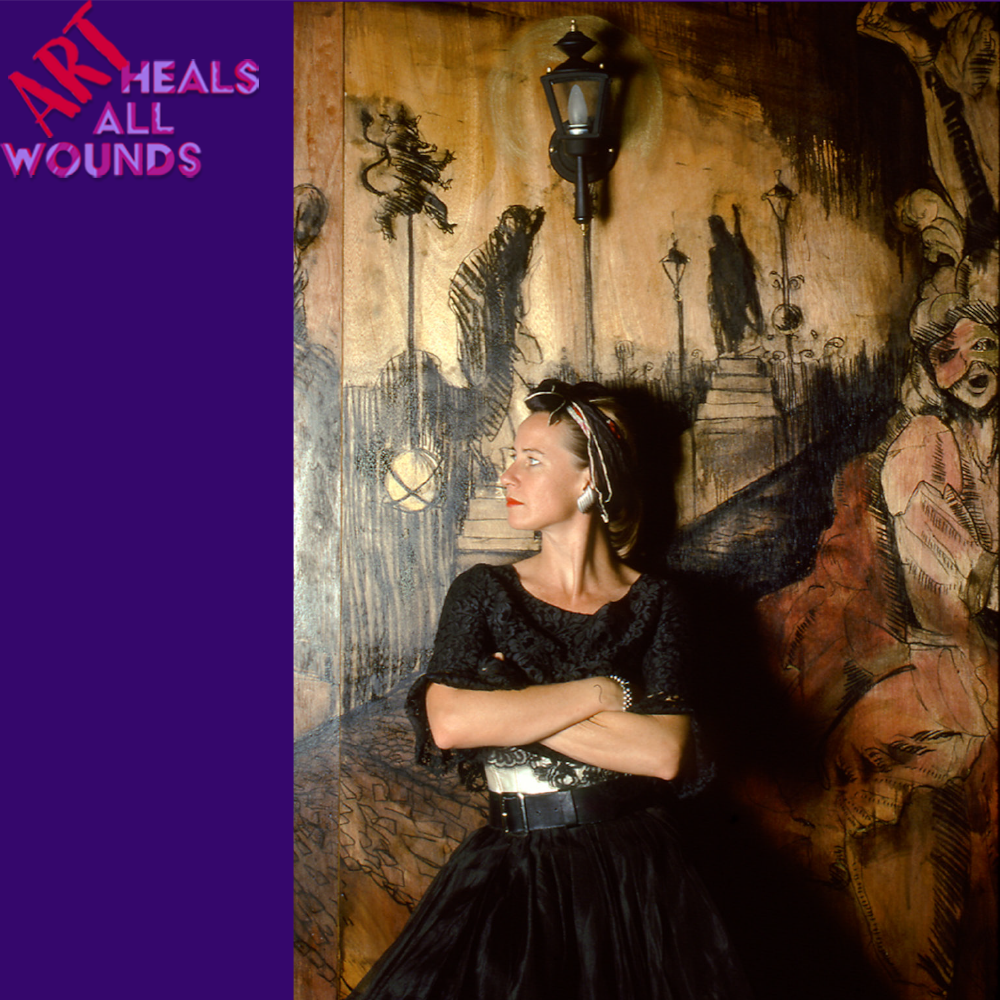
How Artists Resist Oppression: Barbara Benish on Lessons from Cold War Czechoslovakia for Today's Democracy
In this episode, I speak with artist, curator, and author Barbara Benish about her book ArtMill: A Story of Sustainable Creativity in Bohemia — a hopeful, timely memoir about artistic resistance, creative community, and rebuilding culture after totalitarianism.
In This Episode:
[0:12] Host Pam Uzzell introduces the episode, reflecting on fear of communist countries during the Cold War and how that connects to today's political climate in the US
[2:34] Introduction to Barbara Benish's book ArtMill: A Story of Sustainable Creativity in Bohemia and why it feels especially relevant now
[3:49] Barbara describes her memoir — from leaving California as a young artist to integrating into Cold War Czechoslovakia, working with underground artists, and eventually founding a rural arts center
[6:14] Growing up in Southern California with Czech immigrant heritage, witnessing the Soviet invasion of Prague in 1968, and losing connection to the Czech language
[7:42] Crossing the Iron Curtain as a young American backpacker — navigating fear, border crossings, and Cold War propaganda
[10:41] Connecting with dissident artists in Prague — serendipity, secret networks, and the surveillance state
[12:08] Life under the secret police — being followed, bugged venues, and how artists developed coded communication to resist oppression
[13:53] Barbara's frustration with the commercialization of art in 1980s Los Angeles and what drew her to the underground art scene in Czechoslovakia
[15:14] The Art Dialogue exchange — bringing together LA and Czech artists during the Cold War and the challenges of mounting a cross-cultural exhibition under an authoritarian regime
[16:57] The Velvet Revolution of 1989 — why it's also called the Artist Revolution, the role of playwright-turned-president Václav Havel, and lessons from The Power of the Powerless for democracy today
[21:47] Buying the Červený Mlýn (Red Mill) in rural Bohemia — a $17,000 ruin, a leap of faith, and the beginning of a new life
[26:28] Renovating the mill, building a rural arts community, and the reality behind the romance
[27:46] ArtMill today — artist residencies, children's programs, university study abroad, and regenerative creativity in rural Central Europe
[29:12] Art as sustainability — how creative practice connects to environmental stewardship, indigenous ways of knowing, and regenerative living
[34:42] What today's political resistance in the US has in common with Cold War Czechoslovakia — and what comes after resistance
[38:45] Barbara reads a moving passage from ArtMill about climate, beauty, dignity, and hope for future generations
[40:35] Where to find Barbara Benish, upcoming California readings, and how to get the book
Resources & Links:
Barbara Benish's website: barbarabenish.com
ArtMill: A Story of Sustainable Creativity in Bohemia — published by New Village Press, distributed by NYU
Follow Pam!
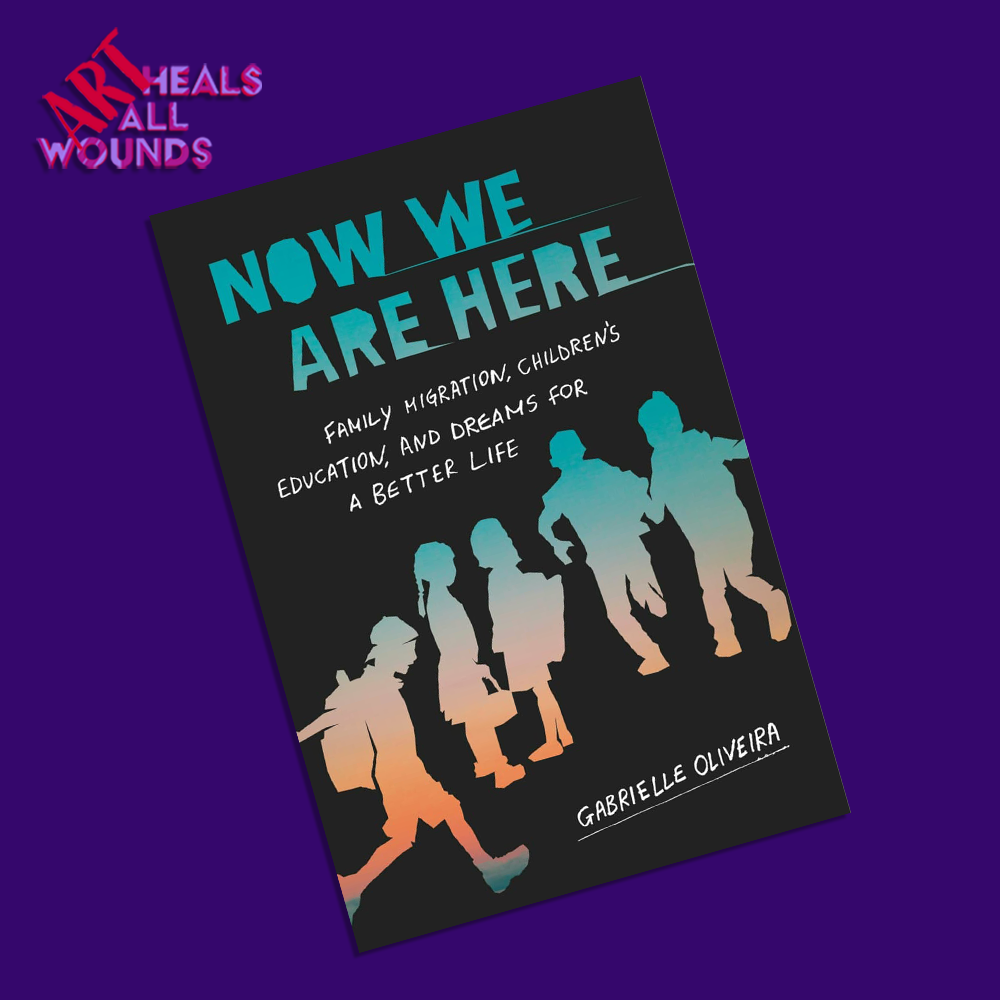
What If We Put Children First? Migration, Trauma, and Education with Harvard's Dr. Gabrielle Oliveira
What really drives families to make the dangerous journey to the United States? And what happens to them — especially their children — after surviving detention and family separation at the border?
In this episode, I speak with Dr. Gabrielle Oliveira, Jorge Paulo Lemann Associate Professor of Education and Brazil Studies at the Harvard Graduate School of Education. Gabrielle's new book, Now We Are Here: Family Migration, Children's Education, and Dreams for a Better Life, documents the lives of 16 families from Central and South America who experienced detention and separation at the US border in 2018 and 2019 — and how they rebuilt their lives afterward.
Gabrielle shares how she spent three years building deep, trust-based relationships with these families, and why that kind of research — done with people, not on them — matters so much. We explore the surprising role that the dream of an American education plays in the decision to migrate, why children process trauma so differently than adults, and what a truly equitable, child-centered classroom might look like.
We also discuss a quietly unforgettable moment: a first-grade morning meeting where two children, asked what they wanted for lunch, spontaneously connected over eating frozen burritos in an immigration detention center — and what that reveals about how trauma lives in children's bodies and memories.
Gabrielle's core message is both simple and urgent: what if we made policy — immigration policy, education policy — by putting all children first?
Now We Are Here is available at your local independent bookstore, on Amazon and Barnes & Noble, or directly from Stanford University Press. Find Gabrielle on Instagram and at gabrielleoliveira.com.
[00:00:12] Intro — "Do you believe art can change the world?"
[00:00:48] Pam introduces the topic — migrant family detention and separation at the border
[00:01:48] Introduction of Dr. Gabrielle Oliveira and her book Now We Are Here
[00:04:06] Interview begins — Gabrielle describes her book and the 16 families she documented
[00:05:14] Discussion of research methodology — doing research with people, not on them
[00:08:28] Gabrielle reflects on being an immigrant herself and how trust is built over time
[00:10:04] How the book idea originated and how the research focus evolved
[00:13:57] Education as a driving force behind migration — beyond just fleeing hardship
[00:15:12] Moving past the "suffering subject" narrative — immigrant families and the desire for an ordinary life
[00:19:20] How trauma affects three groups differently — parents, teachers, and children
[00:23:03] The fajita/burrito story — how a first-grade morning meeting unlocked detention memories
[00:28:19] How teachers respond to children's trauma — and why "that's in the past" doesn't work
[00:33:29] Imagining a more equitable, trauma-informed classroom
[00:38:24] The problem with over-structured early childhood education and the loss of play
[00:42:08] Gabrielle's wish list — what she hopes readers take away from the book
[00:45:43] Where to find the book and follow Gabrielle's work
[00:47:06] Pam's closing reflections and outro
Follow Gabrielle!
Follow Pam!
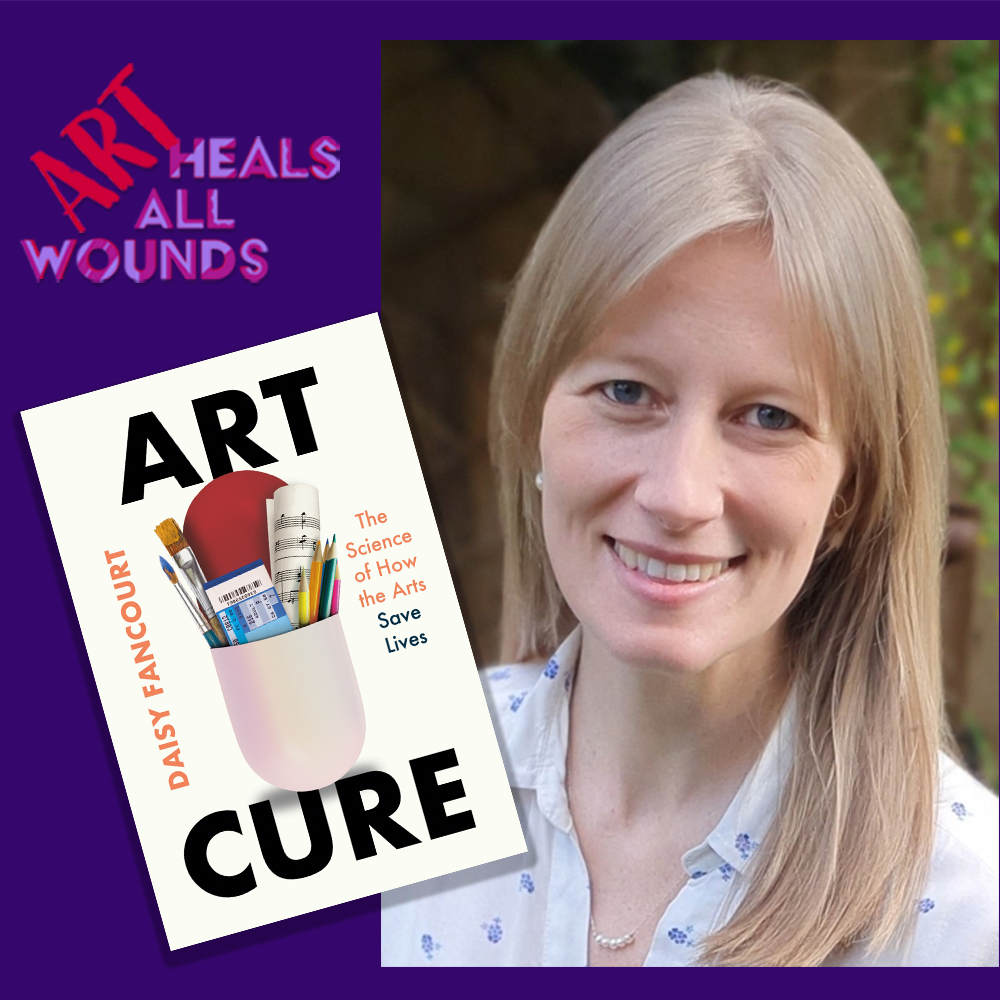
Can Art Actually Heal You? Dr. Daisy Fancourt, Author of Art Cure, Shares the Science Behind Art as Medicine
What if the arts weren't just entertainment — but medicine? In this episode, I talk with Dr. Daisy Fancourt, one of the world's most cited scientists and author of Art Cure, about the growing body of research showing that creative engagement — music, dance, visual art — can reduce the risk of depression, slow dementia, help Parkinson's patients maintain motor function, and even slow biological aging. Daisy also shares personal stories, including her own daughter's recovery in the NICU, and practical tips for incorporating the arts into daily life.
00:00 — Intro & Pam's personal story: moving to Arkansas and witnessing the lingering divide of a recently desegregated school
01:39 — The music class that changed everything: Mrs. Gilbert and the upright piano
02:38 — Introducing today's guest, Dr. Daisy Fancourt
04:10 — Interview begins
04:47 — Why reading Art Cure kept Pam up at night
05:34 — "We are a planet of 8 billion artists" — we are all innately creative
06:37 — The "seatbelt moment": when art becomes as automatic as putting on the seatbelt in the car
08:01 — The many ways art affects our health: wellbeing, prevention, and treatment
09:58 — Daisy's background: from professional pianist to professor at UCL
11:41 — Arts on prescription and individual stories from the book
12:23 — Josh's story: cerebral palsy, magic camp, and the Magic Circle
14:32 — Emily's story: how magic gave a shy girl her voice
15:27 — Daisy's personal story: singing to her premature daughter in the NICU
18:50 — Dance and Parkinson's disease: what the studies show
21:29 — How music affects the brain — and slows aging
22:51 — Music, language acquisition, and why we sing to babies
26:08 — "Spit Girl": Daisy's PhD in psychoneuroimmunology and saliva research
29:09 — Drumming circles and the visceral power of rhythm
30:32 — Why your favorite genre is the healthiest music for you
33:10 — Elevator music, Muzak, and why grocery store playlists keep you shopping
35:12 — Threats to arts funding in the UK and US — and the economic case for the arts
37:42 — Practical tips for incorporating art into your daily life
39:39 — Why art binges don't work — and what does
41:04 — Where to find Art Cure and follow Daisy's research
42:24 — Closing thoughts: how arts education broke down barriers in school
Follow Daisy's Work!
We're Back! Art, Burnout, and Why Creativity Has to Come First
Hello everyone!
After a very long hiatus, Art Heals All Wounds is coming back! After a very long hiatus. I was so burned out. And I realized that I wasn’t really practicing what I preach! There was no time for art or creativity in my life.
So, during this pause, I decided to fix that. I joined a writing group. I started going to a drum circles. Then drum classes. There is nothing like drumming with a group to adjust your attitude for the better.
But now the show is back!
This Thursday, February 23rd, I’ll be sharing the first full episode of the season with an interview with Dr. Daisy Fancourt, author of Art Cure.
Doctor Fancourt is a professor of psychobiology and epidemiology at the University College London, where she heads the social Biobehavioral research Group. She's also director of the World Health Organization Collaborating Center on Arts and Health, and is listed as one of the most highly cited scientists in the world.
Daisy’s book Art Cure was such an inspiring read for. I hope you’ll Join me this Thursday to hear her talk about it!
In an attempt to not burnout again, I’ll be releasing mini-seasons. About four episodes or so, then a month break. I hope that you’ll stay with the show despite the short seasons and regular breaks. I appreciate your listening more than you can know!
I’m also continuing my break from social media. If you like this show and want to share it with a friend, that will help the podcast continue to grow. If you’d like to reach me, you can always connect with me through my website, arthealsallwoundspodcast.com.
Thanks for listening!